Cheap Flights To Morocco
Find the Cheap Flights To Morocco , Hotels, Car And Travel Advices.
We prioritize your data's security in our privacy policy
Flights Schedule
Find the fastest and cheapest flights from New York, Boston, Miami & more to Morocco.
Popular Cities & Cheap Flights
To Morocco
Popular Cities & Cheap Flights
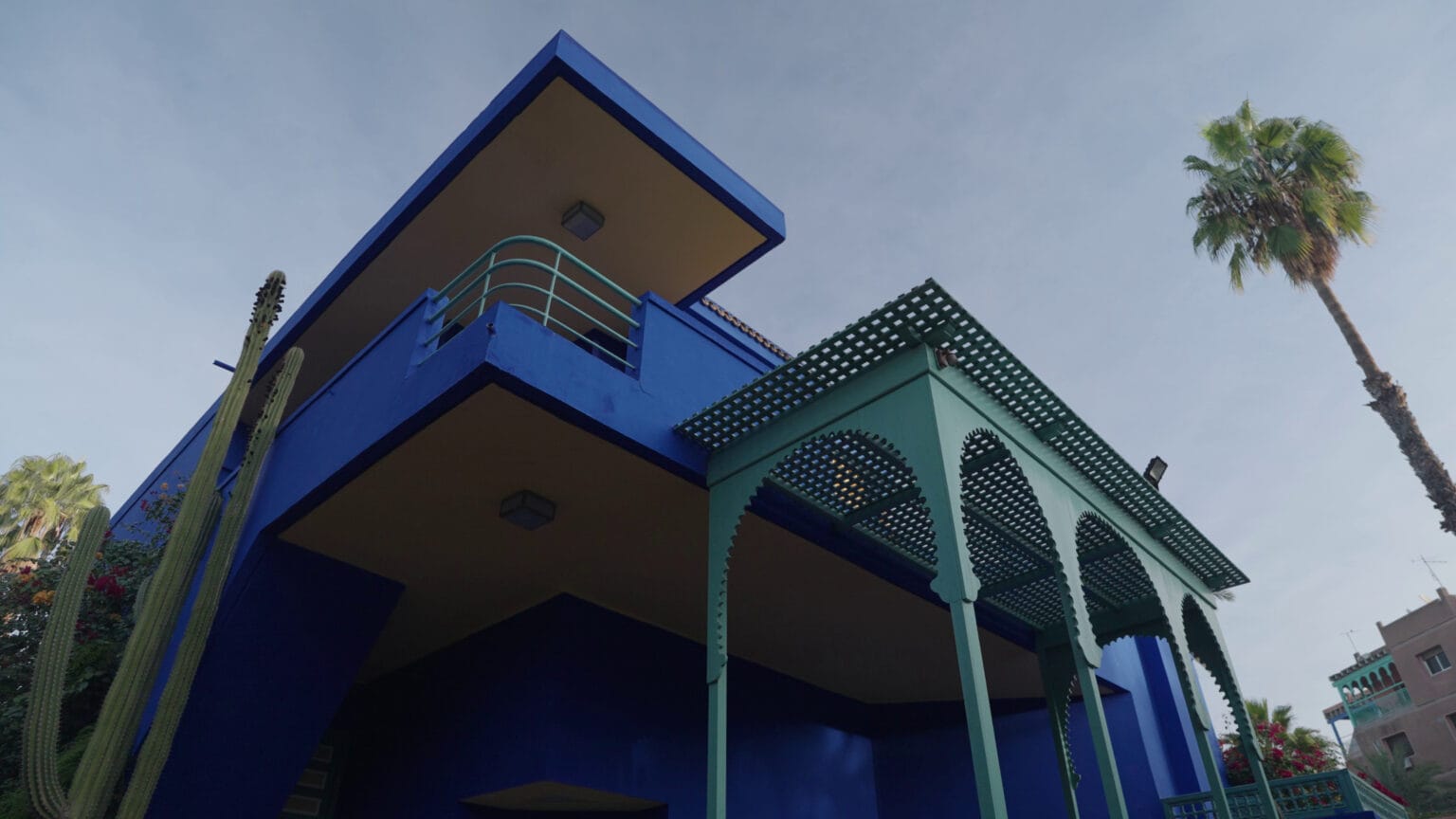
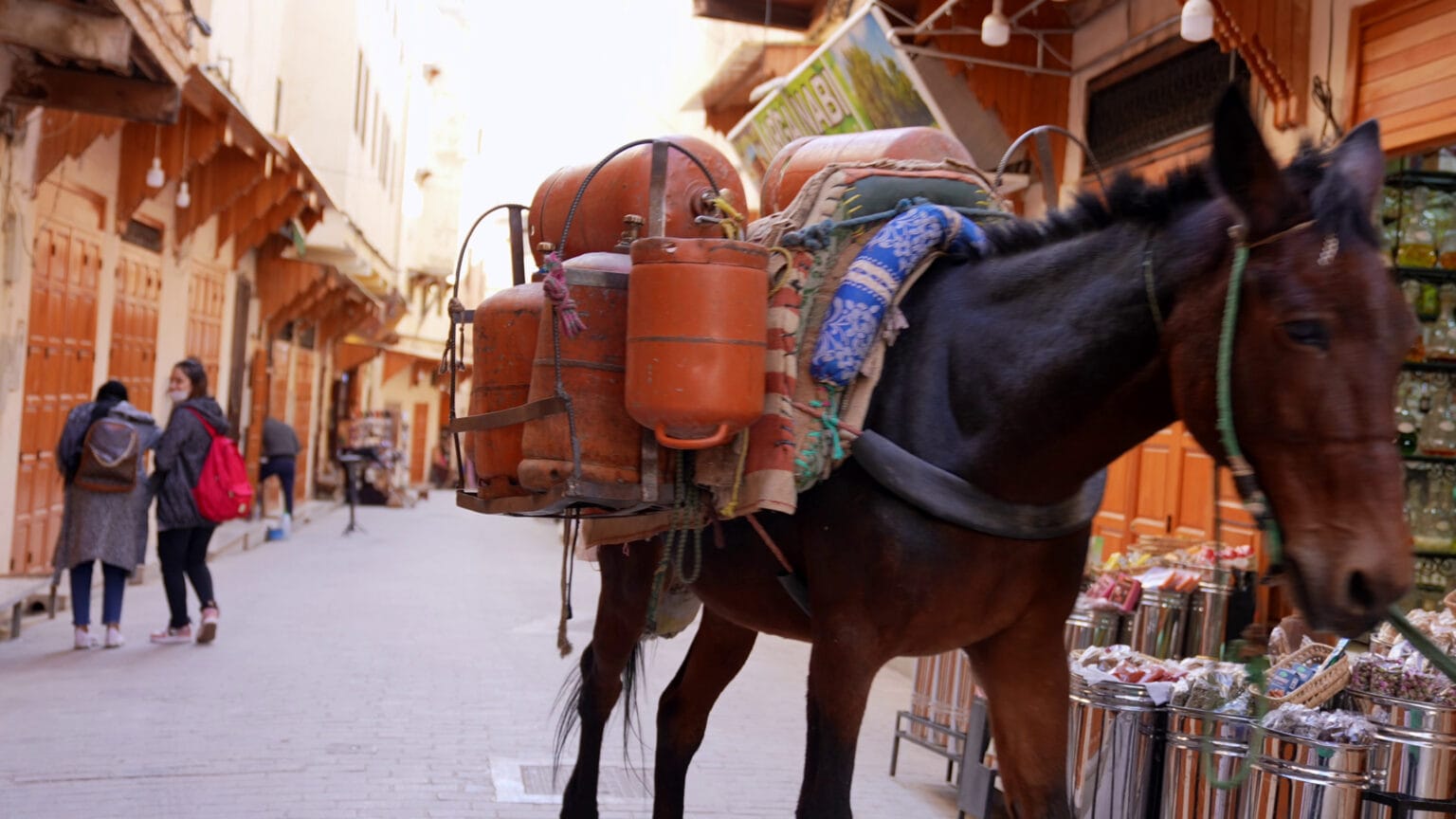
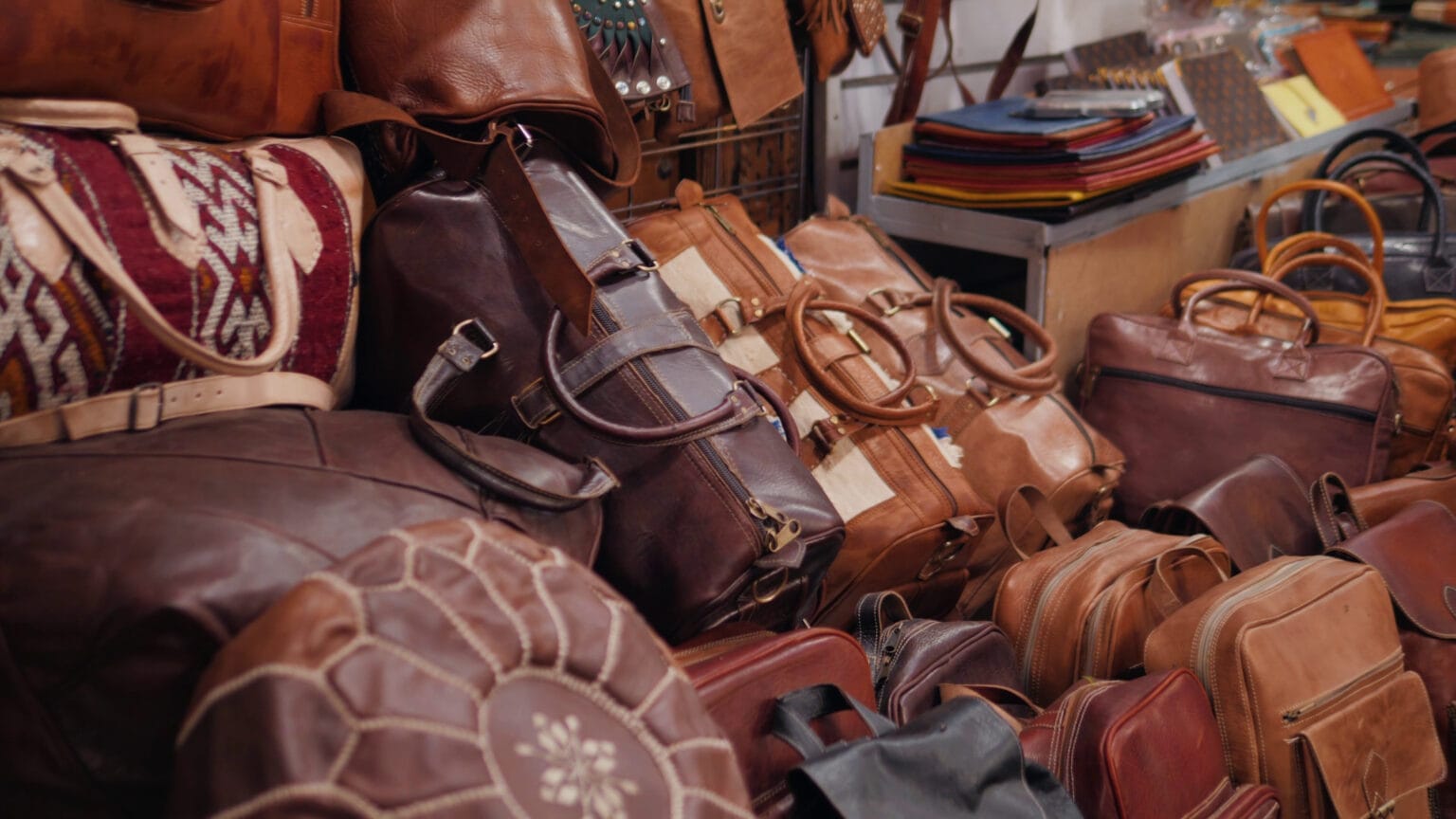
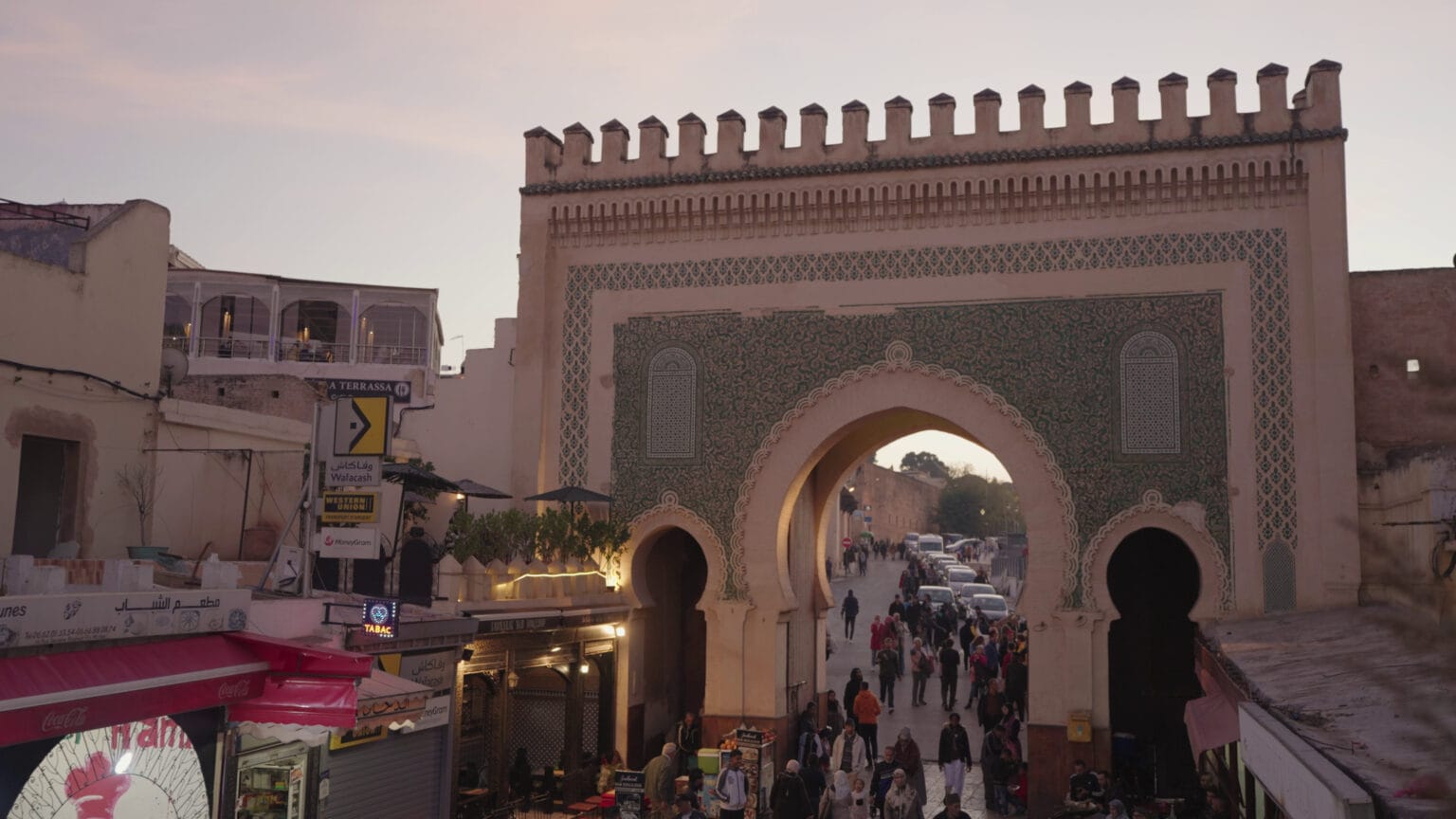
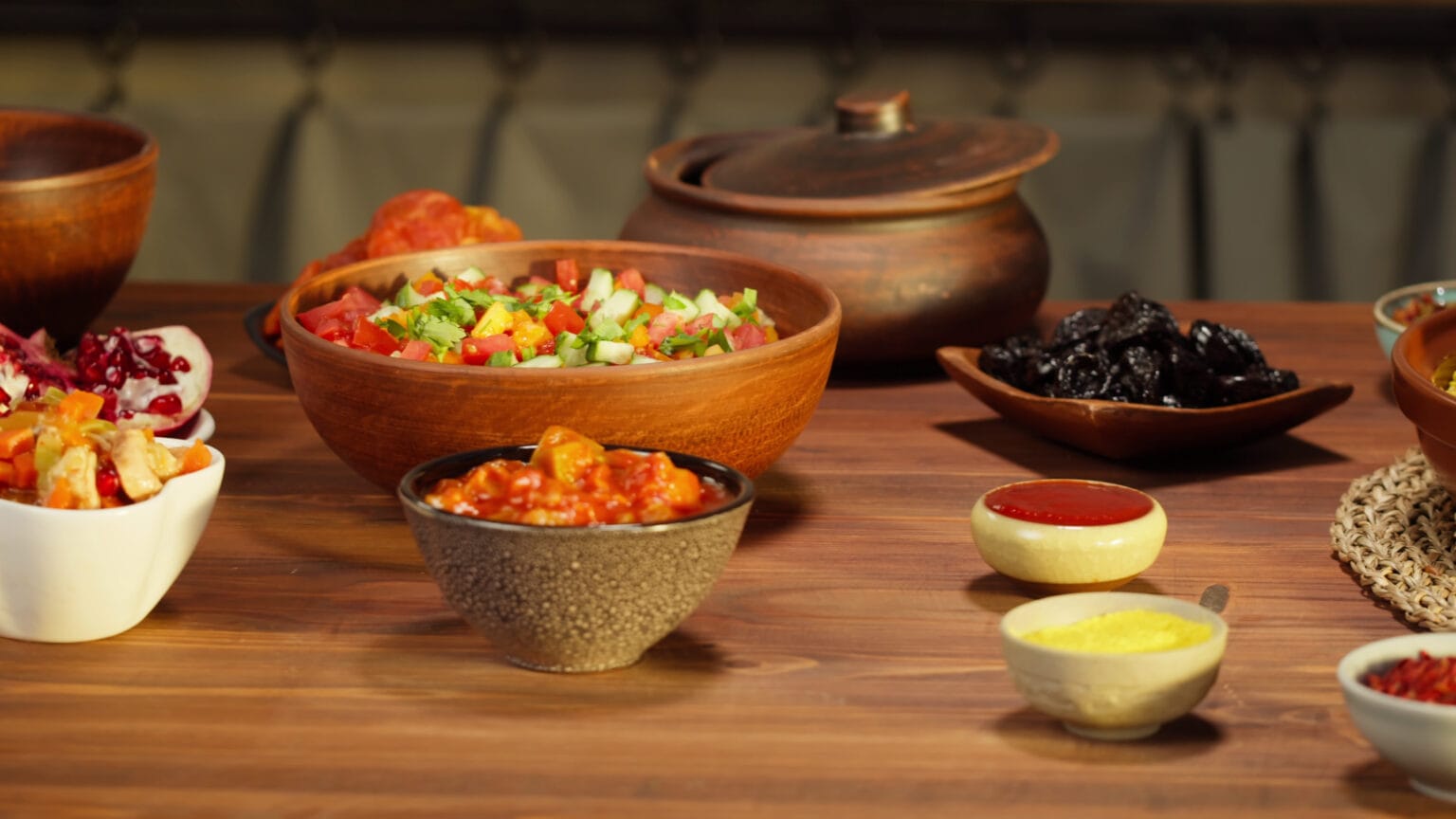
Discover the best places to visit in Morocco, including Marrakech, Fes, Ouarzazet and Casablanca. These iconic cities are known for their unique culture, local food, historic landmarks, and memorable travel experiences.
News & Articles
News & Articles
Find the best cheap flights to Morocco, travel tips, affordable flight deals, and in-depth travel guides. From booking cheap flights to uncovering Morocco’s hidden gems, our articles help you plan an unforgettable journey.
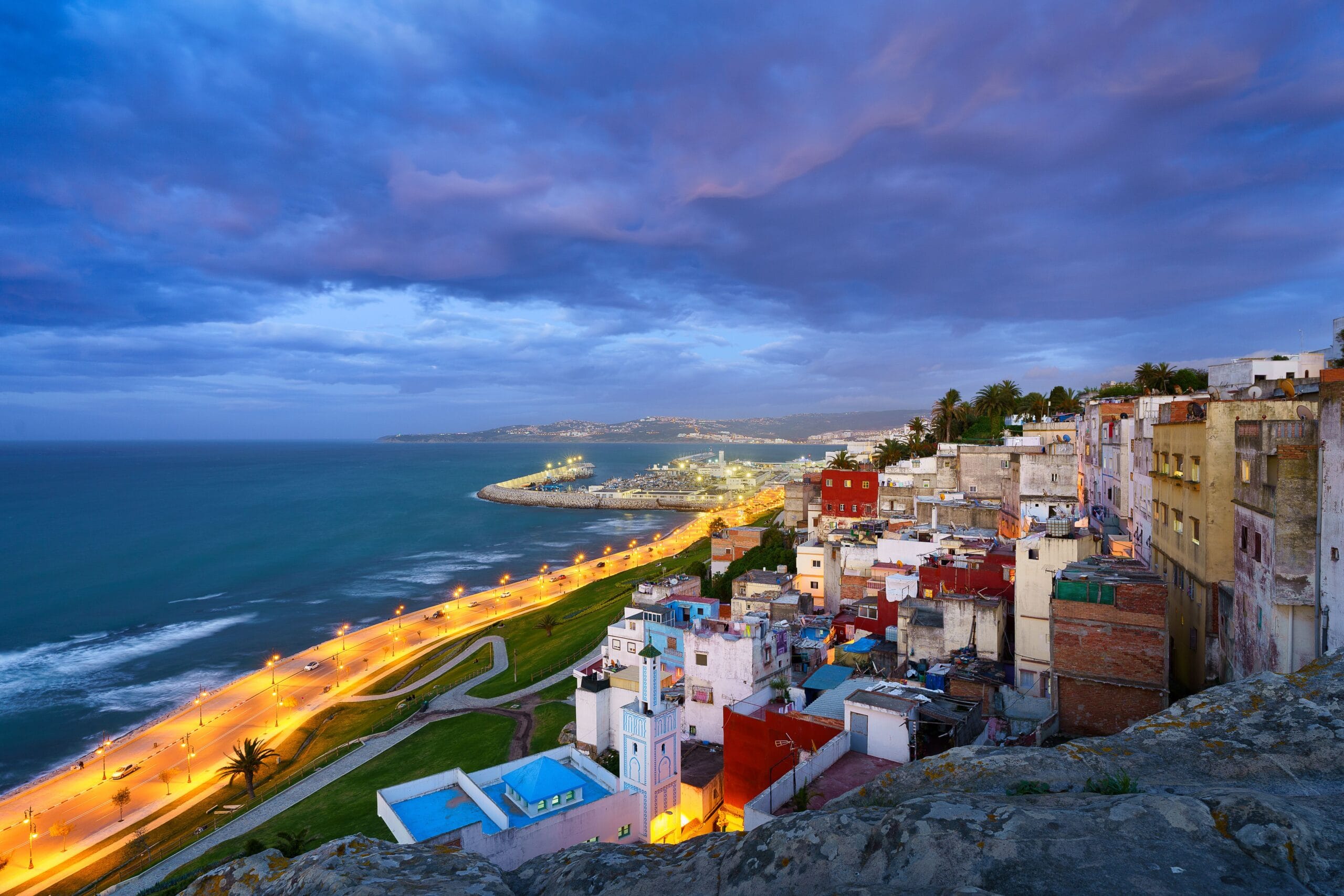
Discovering the Charm of Tangier: A Tourist’s Guide
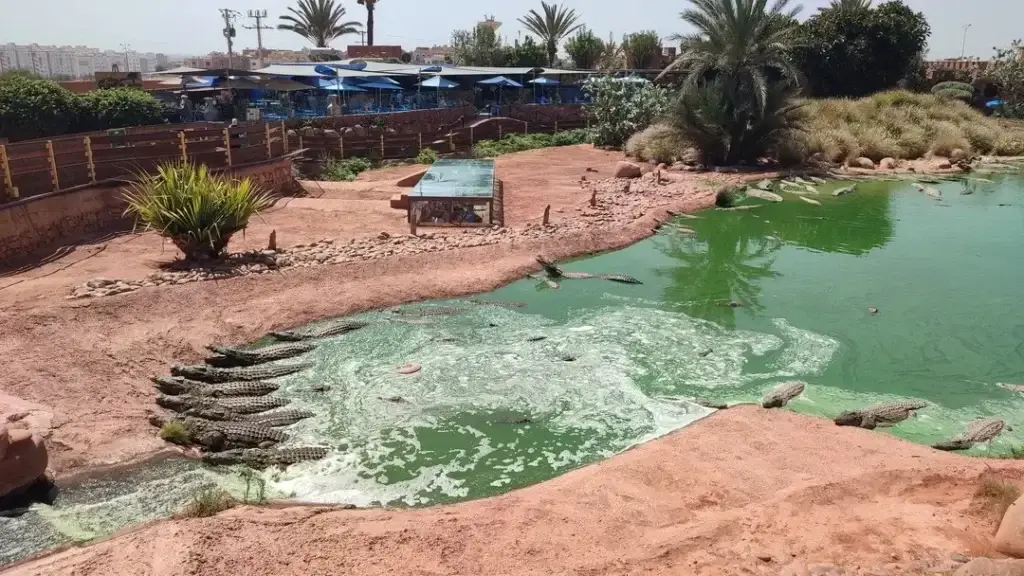
CrocoParc: One of the Best Attractions in Agadir.
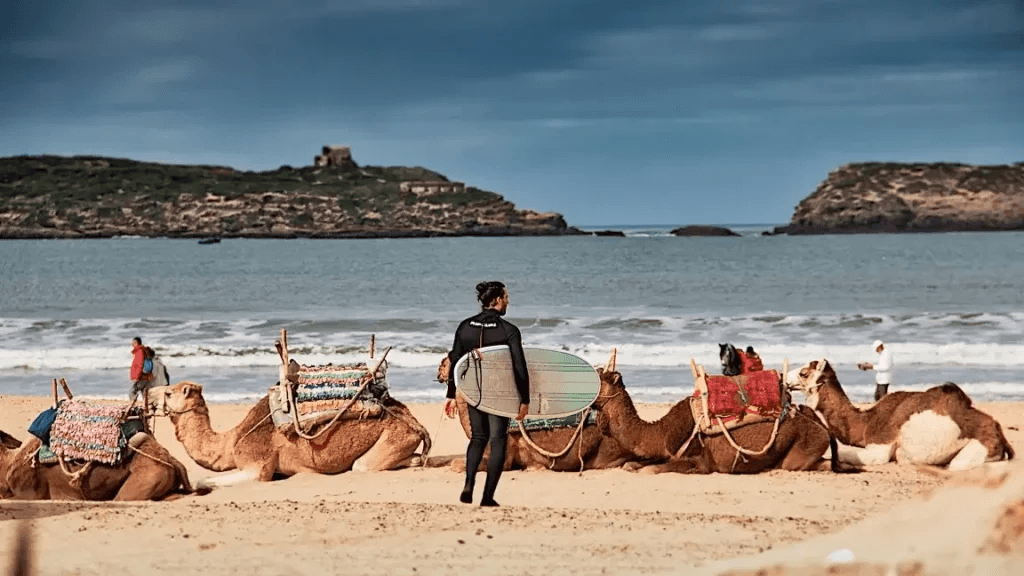
12 Best Beaches in Morocco You Must Visit.
Why You Should Visit Essaouira: A Coastal Gem in Morocco.

Golf in Morocco: A Century of Fairways and Heritage
Milano to Morocco Flight Time: Your Essential Travel Guide.
FAQs
Complete travel guide covering visas, transportation, safety tips, and local culture.
.
Is travel from the United States to Morocco currently allowed?
Yes — you can currently travel to Morocco from the USA, but there are a few important things to know before you go:
✈️ Entry rules
U.S. citizens do not need a visa for tourism stays of up to 90 days. You must have a valid passport that’s valid for at least 6 months beyond your planned departure date from Morocco.
🧳 COVID-19 / health restrictions
Morocco has lifted COVID-19 entry restrictions, so you do not need a PCR test or vaccination certificate to enter.
🛂 Additional tips
Airlines or Moroccan authorities may ask for a return/onward ticket or proof of accommodation at the border. It’s smart to have these ready.
The U.S. Department of State currently advises Americans to exercise increased caution in Morocco due to security concerns like terrorism.
Summary:
Yes — Morocco is open for travel from the USA and generally accessible for tourism right now, without COVID-19 testing or vaccine requirements, as long as you meet standard entry conditions (valid passport, stay under 90 days). Just be sure to check for any last-minute updates from official government sources before you book or depart.
Are Canadian citizens allowed to travel to Morocco?
Yes — Canadian citizens can travel to Morocco, but there are a few entry requirements to keep in mind:
🛂 Visa & entry
Canadian passport holders do not need a visa for tourist or business visits of up to 90 days. You must have a valid passport for the duration of your stay.
📌 Passport validity
Make sure your passport is valid through your planned stay in Morocco.
🌍 Travel advisory
The Government of Canada advises travellers to take normal security precautions and stay informed about local safety conditions while in Morocco.
✈️ Health / COVID-19
Current COVID-19 testing and vaccination requirements for entry into Morocco are generally not required, but rules can change, so check official sources before departure (e.g., Morocco’s tourism or government sites).
Summary:
Yes — Canadians are permitted to visit Morocco for tourism or short business trips without a visa for stays up to about 90 days, as long as they meet standard passport and entry conditions. Always check the latest government travel advisories and entry rules before booking or departing.
Are Iranian passport holders allowed to travel to Morocco?
Yes — Iranian citizens can travel to Morocco, but they must obtain a visa before their trip.
🛂 Visa requirement
Iranian passport holders are required to apply for a Moroccan visa (tourist visa) before traveling. Visa-on-arrival or e-visa options are generally not available for Iranian nationals.
The visa application typically must be submitted through a Moroccan embassy or consulate (e.g., in Tehran or a nearby country).
📄 Documents & process (general overview)
A valid passport with at least six months’ validity beyond your planned stay.
Completed visa application and supporting documents (e.g., photos, travel plan, accommodation details).
Proof of onward travel and other requirements as specified by the consulate.
📆 Duration of stay
If granted, a Moroccan tourist visa usually permits a stay of up to 90 days.
⚠️ Tips before you go
Start your visa application well in advance of your travel date to allow adequate processing time.
Always check with the nearest Moroccan diplomatic mission for the most current requirements and fees.
Summary:
Yes — Iranians can visit Morocco, but they must get a Moroccan visa in advance and meet the standard entry requirements before traveling
Do American passport holders need a visa for Morocco?
No — U.S. citizens do not need a visa for tourism stays in Morocco of up to 90 days.
Can travelers go from Spain to Morocco? Entry rules and requirements.
Yes — you can travel from Spain to Morocco, but there are a few entry requirements to keep in mind:
🛂 Passport & entry requirements
To enter Morocco from Spain, you must travel with a valid passport (Spanish ID card alone is not accepted). Your passport should generally be valid for at least six months from your date of entry.
🇪🇸 Visa rules (for Spanish/EU citizens)
If you hold a Spanish (or many other EU) passport, you do not need a visa for tourist stays in Morocco of up to 90 days.
✈️ Travel routes
Most travelers fly from Spain to Moroccan cities like Tangier, Casablanca or Marrakech. Ferries are an option too, though requirements like passport control still apply.
🧪 COVID‑19 / health forms
Morocco has lifted COVID‑19 entry restrictions and you generally do not need a test or health form to enter.
✈️ Other tips
Some travelers are advised to have a return/onward ticket and proof of accommodation ready for border checks (though this isn’t always strictly enforced).
Summary:
Yes — you can travel from Spain to Morocco now. Just make sure you have a valid passport, check any specific airline requirements before departure, and meet the standard entry conditions for your nationality.
What are some popular activities and experiences available to guests staying in Moroccan hotels?
Popular Activities & Experiences in Moroccan Hotels
One of the best parts of staying in Moroccan hotels—whether you’re in a lavish Marrakech riad, a beachside resort in Agadir, or a desert kasbah—is the range of experiences right at your doorstep. Here’s a taste of what you can enjoy during your stay:
- Relaxing Spa & Hammam Treatments
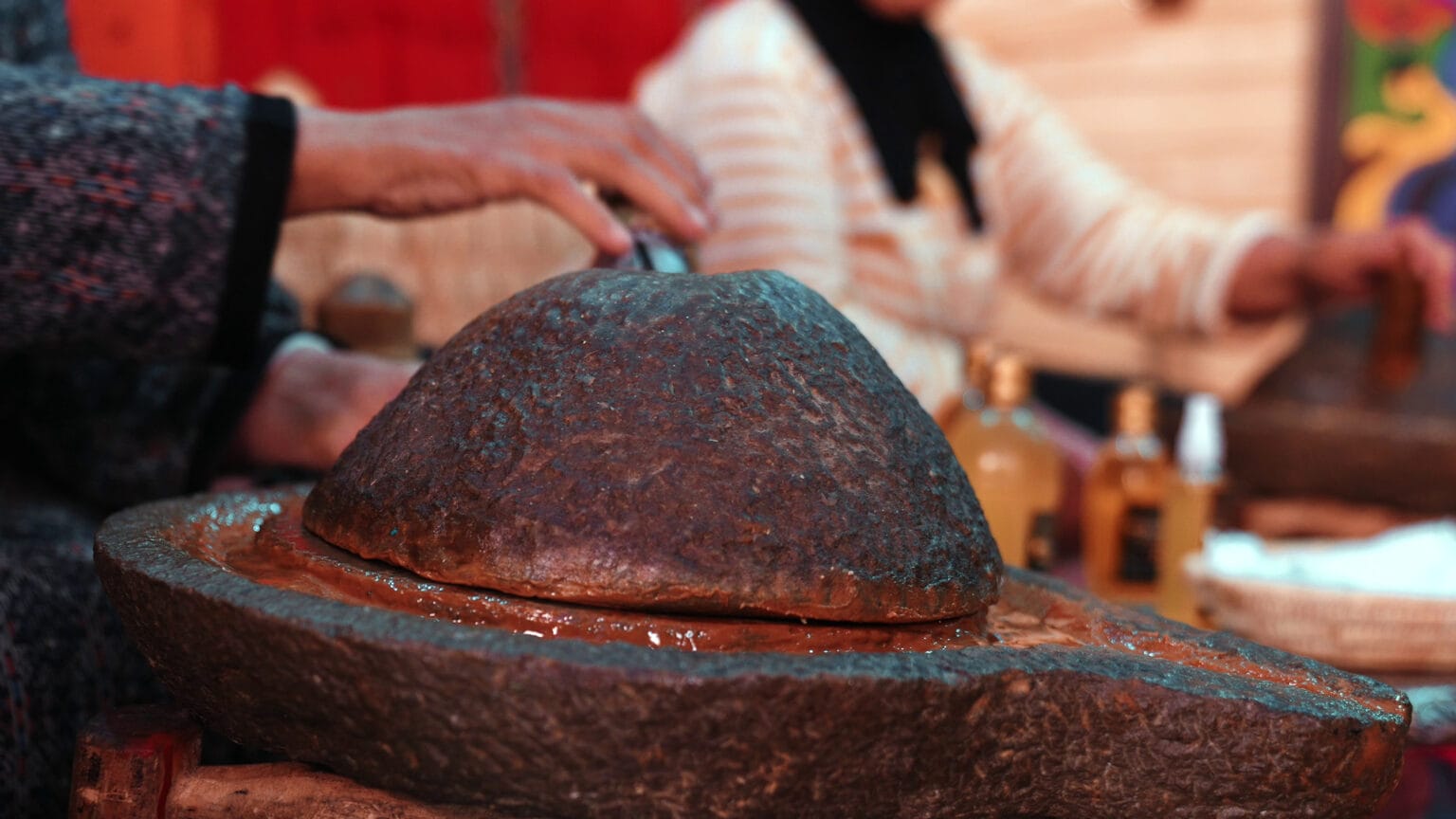
Traditional Moroccan hammams and on-site spas are a signature experience. Enjoy a soothing massage, local argan oil treatments, or try an authentic hammam ritual for the ultimate unwind. - Swimming Pools & Courtyards
Many hotels, especially riads and luxury resorts, feature beautiful pools—often tucked into lush courtyards or set against historic architecture for a serene escape from the city bustle. - Culinary Experiences
Savor Moroccan cuisine through in-house restaurants or rooftop dining. Some hotels offer cooking classes, letting you learn to make classics like tagine or couscous. - Guided Excursions & Tours
From camel rides in the Sahara to guided tours of ancient medinas (like those in Fez and Marrakech), many hotels can arrange personalized city walks, mountain hikes, or even desert glamping. - Sports & Wellness
Tennis courts, yoga sessions, and fitness centers are common in larger hotels and resorts. Coastal properties may also offer water sports, including surfing lessons and paddleboarding. - Cultural Events & Live Entertainment
Immerse yourself in Morocco’s vibrant culture with live music, folk performances, henna sessions, or traditional tea ceremonies—offered at select hotels for an authentic evening in.
With so many options, every stay in Morocco can be as relaxing or adventurous as you want—whether that means lounging by the pool, exploring age-old alleyways, or treating yourself to a hammam after a day of sightseeing.
What are the best ways to get around between Moroccan cities?
Traveling between cities in Morocco is easy and offers several options:
🚆 By Train
Morocco has a modern train network operated by ONCF, connecting major cities like Casablanca, Marrakech, Rabat, and Fes. Trains are comfortable, reliable, and fast for longer distances.
🚌 By Bus
CTM and Supratours provide safe, air-conditioned intercity buses, reaching even smaller towns that trains don’t serve.
🚗 By Car
Renting a car gives you flexibility to explore at your own pace. Morocco has a good network of highways and roads, though city traffic can be busy.
🚕 By Grand Taxi
Shared taxis (called grand taxis) run between cities and are a popular, affordable option for shorter trips or rural areas.
✈️ By Plane
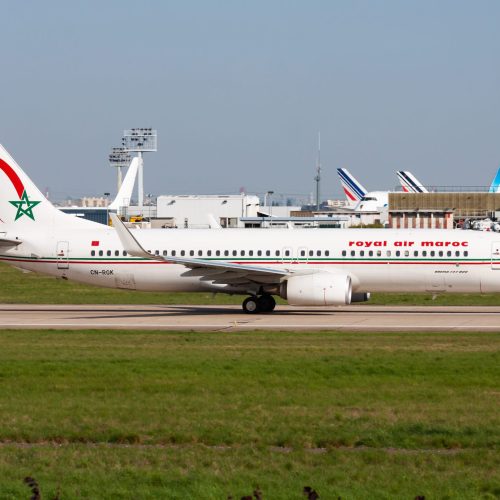
For longer distances, domestic flights connect cities like Casablanca, Marrakech, Agadir, and Tangier. Airlines include Royal Air Maroc and Air Arabia.
Summary:
You can travel between Moroccan cities by train, bus, car, shared taxi, or plane, depending on your budget, schedule, and comfort preferences.
Cost of travel insurance for Morocco: what you need to know
The cost of travel insurance for Morocco depends on factors like your age, trip length, coverage level, and pre-existing conditions.
Average range: For a short vacation (1–2 weeks), prices typically range from $20 to $60 USD per person for basic coverage.
Comprehensive plans: Covering medical emergencies, trip cancellations, and lost luggage may cost $50–$150 USD or more, depending on your needs.
Tips:
Compare providers to get the best rate.
Check if your existing health insurance covers international travel.
Make sure COVID‑19 coverage is included if you want protection for pandemic-related issues.
Summary:
Travel insurance for Morocco can be as low as $20 for basic coverage but can go higher for comprehensive protection, so choose a plan that fits your travel style and risk tolerance.
Best time to travel to Morocco: climate, seasons, and tips
The best time to travel to Morocco depends on the region and the type of activities you want:
🌸 Spring (March to May)
Mild temperatures and blooming landscapes make it ideal for sightseeing, hiking, and city tours.
🍂 Fall (September to November)
Comfortable weather with fewer crowds; perfect for exploring cities like Marrakech, Fes, and Casablanca.
☀️ Summer (June to August)
Hot, especially in inland cities and the desert. Best for coastal regions like Essaouira or Agadir.
❄️ Winter (December to February)
Cooler temperatures, especially in the Atlas Mountains (great for skiing) and quieter tourist sites.
Summary:
For most travelers, spring and fall offer the best balance of weather, comfort, and fewer crowds. Summer is good for coastal trips, and winter suits mountain or desert adventures.
Traveling to Morocco during Ramadan: what to expect
Yes — you can travel to Morocco during Ramadan, but there are some things to keep in mind:
🍽️ Restaurants and food
Many restaurants may close or have limited hours during the day, as locals fast from sunrise to sunset. Tourist areas and hotels usually remain open.
🕌 Cultural etiquette
Be respectful of fasting practices: avoid eating, drinking, or smoking in public during daylight hours. Dress modestly and be mindful of local customs.
🎉 Festivities
Ramadan is a unique cultural experience — evenings come alive with Iftar meals, street food, and celebrations. It’s a great opportunity to experience Moroccan culture authentically.
🕒 Daily life
Some shops, offices, and public services may have shorter working hours during Ramadan.
Summary:
Traveling to Morocco during Ramadan is completely fine, and it can be a rich cultural experience, but plan for adjusted schedules and respect local customs.
Is Morocco safe for Jewish travelers?
Yes — Morocco is generally safe for Jewish travelers. The country has a long history of Jewish presence, and Jewish heritage sites, synagogues, and communities are respected and accessible to visitors.
🛡️ Safety tips:
Major cities like Marrakech, Casablanca, Fes, and Essaouira are considered safe for tourists.
Exercise normal travel precautions: stay aware of your surroundings, avoid isolated areas at night, and respect local customs.
Visiting Jewish heritage sites is common and generally welcomed.
🕍 Cultural note:
Morocco is home to several well-preserved synagogues, Jewish cemeteries, and museums, reflecting its historical Jewish community.
Summary:
Traveling to Morocco as a Jewish visitor is safe and culturally rewarding, especially in tourist-friendly areas. Normal travel awareness is recommended, but there is no widespread safety concern specifically for Jewish travelers.
Are there accommodations in Morocco with features like pools, spas, or direct beach access?
Common Types of Hotels in Morocco
Hotels
Standard hotels, from budget to luxury (1–5 stars), similar to hotels worldwide. Found in all cities and tourist areas. Many offer comfortable rooms and convenient amenities like outdoor pools, spa services, and on-site restaurants—perfect for relaxing after a day exploring the souks or historic sites.
Riads
Traditional Moroccan guesthouses built around an interior courtyard or garden. Very popular in historic city centers (medinas) like Marrakech and Fez. Riads are often smaller, charming, and more intimate, with unique local decor and sometimes rooftop terraces where you can enjoy breakfast or tea.
Dar
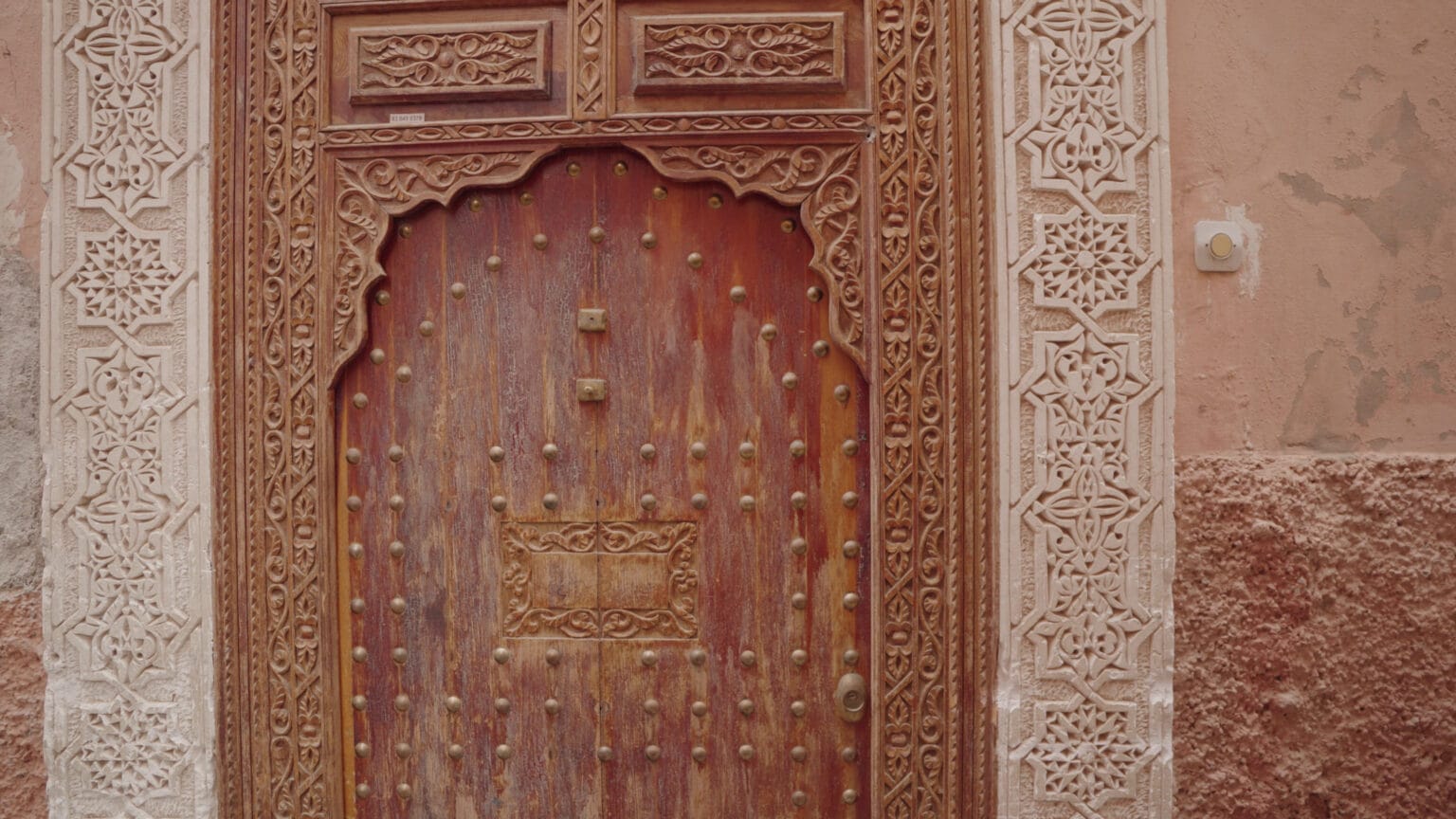
Similar to a riad but usually smaller and more private. “Dar” simply means “house” in Arabic. These boutique stays often feature the same beautiful tiling and carved woodwork as larger riads, but are ideal for travelers seeking a quieter, more personal experience.
Kasbah
Traditional fortified buildings, often converted into hotels or guesthouses. Common in southern Morocco and desert regions, kasbah stays offer a sense of history and adventure—think thick adobe walls, towers, and views of the surrounding palm groves or mountains.
Auberge
Small inns or lodges, often found in rural or mountain areas. Usually simple and budget-friendly, auberges are popular with trekkers and those exploring the Atlas Mountains or the Sahara. Expect hearty local meals and the chance to meet fellow travelers.
Resort / Palace Hotel
Large luxury properties, beach resorts, or historic palaces offering high-end amenities, spas, and pools. These are often found near the coast or in major tourist hubs, and may include indulgent spa treatments, private beach access, and a wide range of leisure activities.
Amenities & Activities to Expect
Across these different types of accommodation, you’ll find a variety of amenities to suit your travel style. Many hotels and resorts feature:
- Pools: Outdoor or indoor pools for cooling off in the Moroccan sun.
- Spas: Traditional hammams and modern wellness centers, offering everything from massages to beauty treatments.
- Restaurants: On-site dining ranging from local Moroccan cuisine to international fare.
- Beach Access: In coastal areas, some properties are steps from the sand, perfect for beach lovers.
- Cultural Experiences: Riads and kasbahs may arrange local tours, cooking classes, or music nights.
Whether you’re looking for authentic charm or modern luxury, Morocco’s diverse hotels make it easy to unwind and recharge between adventures.
Still have questions?
If you still have questions, you can contact us: